
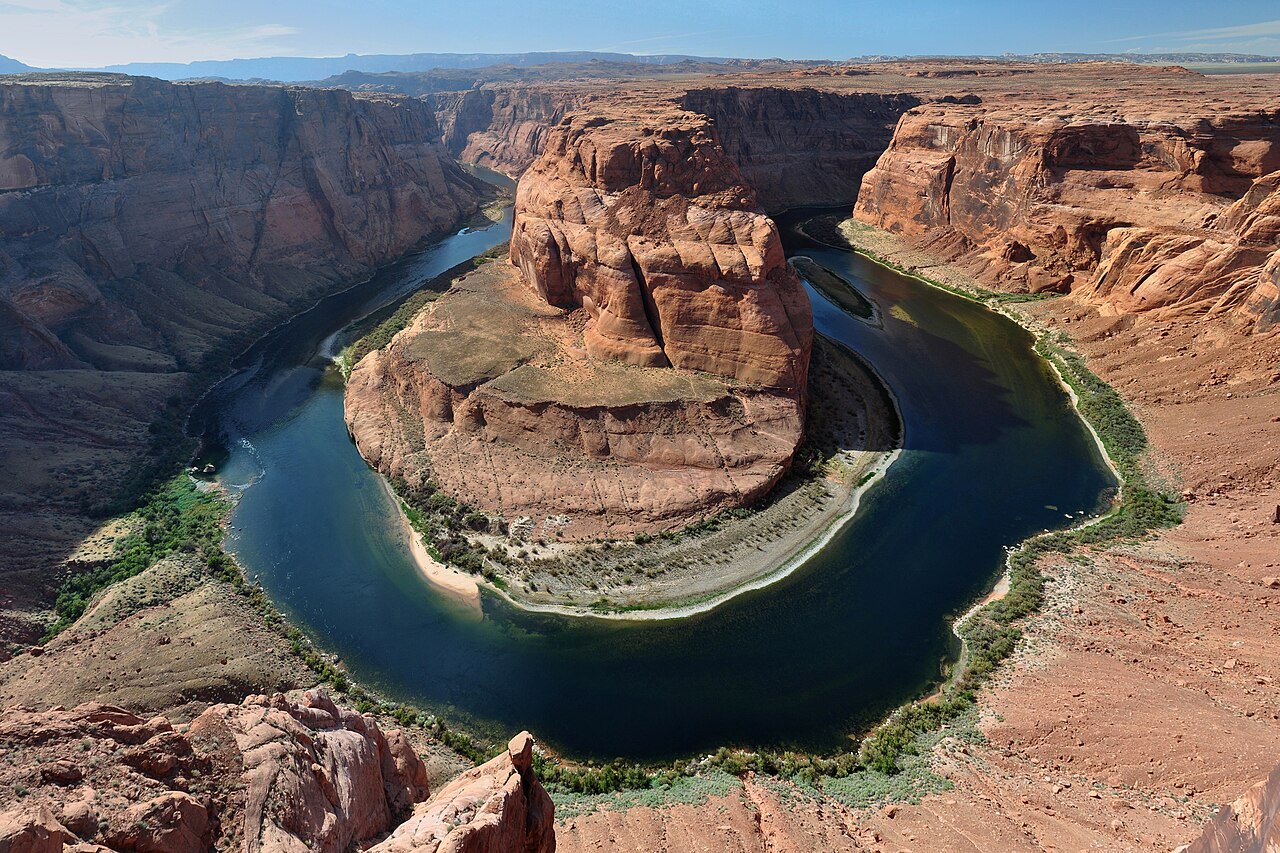
Looking for things to do in Page, Arizona besides Antelope Canyon? You are in the right place. This small northern Arizona city sits close to some of the most dramatic scenery in the American Southwest, from the sweeping Colorado River to the blue waters of Lake Powell. Even if Antelope Canyon tours are sold out, outside your budget or simply not part of your plans, there are more than enough experiences to fill a memorable weekend.
This research-based guide brings together fifteen ideas, including short walks, scenic drives, water adventures and regional day trips. The time estimates are suggested planning allowances, not live travel times. Some attractions require fees or advance reservations, and desert conditions change quickly.
Quick trip planning
- Best first visit: Horseshoe Bend, the dam visitor center and Wahweap.
- Best water experience: a guided boat or float trip, subject to conditions.
- Best easy-paced day trip: Navajo Bridge and Lees Ferry.
- Best remote adventure: White Pocket with an experienced guide.
- Ideal stay: two or three nights, more if adding distant day trips.
Table of contents
- 1. See Horseshoe Bend
- 2. Take a scenic boat trip on Lake Powell
- 3. Explore Wahweap and the Lake Powell overlooks
- 4. Visit Glen Canyon Dam and Carl Hayden Visitor Center
- 5. Walk to Glen Canyon Dam Overlook
- 6. Discover the Hanging Garden Trail
- 7. Paddle Lake Powell with a kayak or paddleboard
- 8. Spend time at Lone Rock Beach
- 9. Take a Colorado River float trip
- 10. Visit the historic Navajo Bridge
- 11. Explore Lees Ferry and Lonely Dell Ranch
- 12. Hike to the Toadstool Hoodoos
- 13. Book a guided adventure to White Pocket
- 14. Learn about Page and local Indigenous history
- 15. Enjoy desert sunset and stargazing
- Two-day itinerary
- Practical tips
- Frequently asked questions
1. See Horseshoe Bend
If you only have time for one stop outside Antelope Canyon, make it Horseshoe Bend. The Colorado River curls around an enormous sandstone promontory, creating the unmistakable U-shaped scene that puts Page on so many Southwest road trip maps. The trail begins at a City of Page parking lot off US 89 and reaches a fenced viewing platform. According to the National Park Service, the walk covers about 1.5 miles round trip on a hardened surface. It is exposed to the sun, and not all canyon edges have barriers.
Allow an hour to ninety minutes, or longer if you enjoy photography. Early morning is sensible in warm weather, while later light can be beautiful when temperatures are manageable. Bring water, stay behind the railing and supervise children closely. Budget for the separate municipal parking fee; a national park pass does not cover this lot.
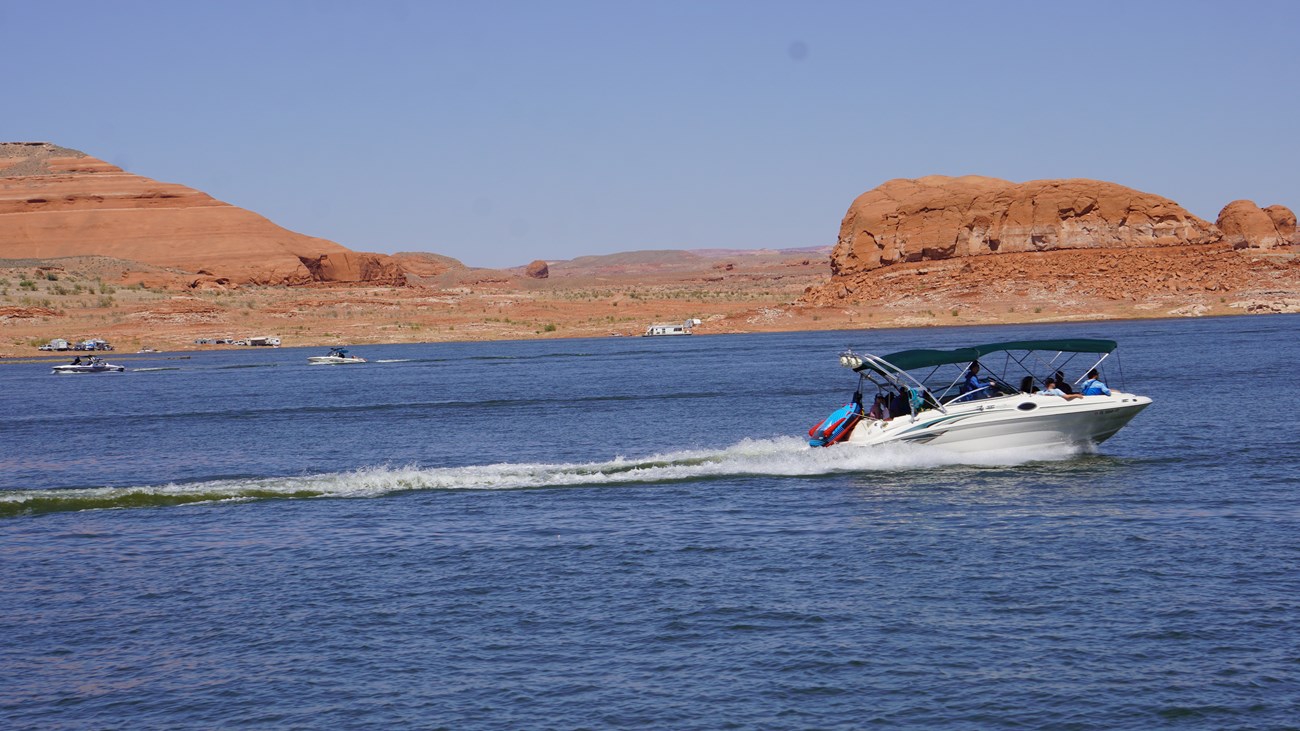
2. Take a scenic boat trip on Lake Powell
Lake Powell offers an entirely different perspective on the region. Instead of looking down into a canyon, you travel between sandstone walls and across stretches of blue water. A guided sightseeing cruise is a good choice for travelers who would rather let someone else handle navigation. A rental boat can suit experienced boaters who want flexibility, provided they understand local requirements and conditions.
Reserve a half day rather than trying to squeeze a lake excursion between two other major attractions. Ask the operator where the trip departs, what it includes, whether there is shade aboard and what happens if conditions change. Lake elevations affect access, and marina facilities are not interchangeable. The NPS boating page and September 2026 lake-access update are useful starting points. Wear a properly fitted life jacket and follow the operator’s safety instructions.
3. Explore Wahweap and the Lake Powell overlooks
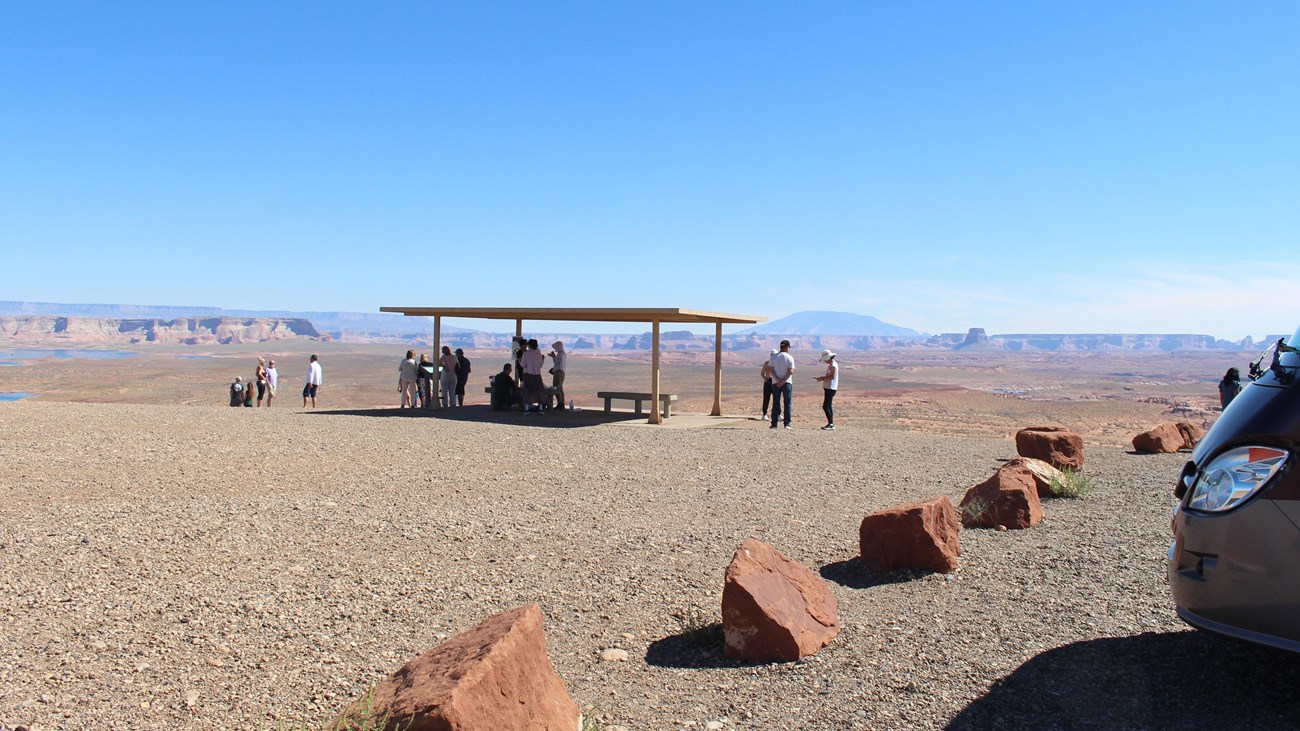
You do not need to book a boat to enjoy Lake Powell. The Wahweap area north of Page offers wide views of the reservoir, surrounding mesas and desert mountains. Scenic stops are especially useful for families traveling with different energy levels: one person can enjoy the view while another takes photographs, without committing everyone to a long excursion.
Start with the paved roads and established viewing areas rather than searching for a shoreline shortcut. Plan forty-five minutes to two hours depending on how many stops you make. Bring binoculars, a camera and a snack to enjoy at an appropriate picnic area. Check Glen Canyon directions for the correct entrance, and remember that recreation-area fees may apply. The waterline changes over time, so views and shoreline access may differ from older photographs.
4. Visit Glen Canyon Dam and Carl Hayden Visitor Center
Glen Canyon Dam is more than a quick roadside photo opportunity. It explains why Lake Powell exists and provides a starting point for understanding the complicated relationship between water, energy and communities across the American Southwest. The visitor center sits near the dam on US 89 and offers exhibits about the region. It is a particularly useful indoor stop when the afternoon sun is too intense for comfortable hiking.
Set aside roughly forty-five to sixty minutes, including time for the viewpoints. As of November 2026, the NPS visitor-center information says dam tours are closed, so do not plan around an interior dam tour. Check current hours before leaving. A visit here also pairs naturally with the Hanging Garden Trail or a drive north toward Wahweap. If you have only a few hours in town, combine the center with Horseshoe Bend rather than rushing to distant attractions.
5. Walk to Glen Canyon Dam Overlook
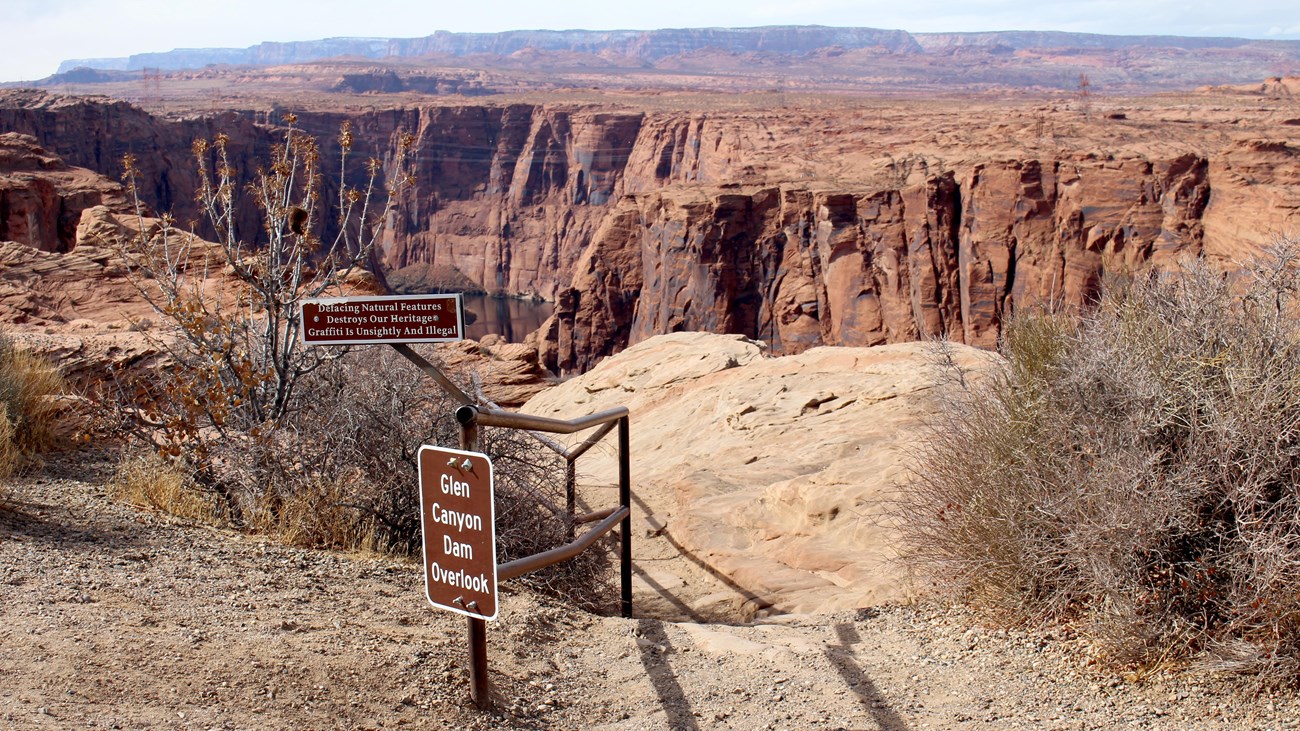
For a perspective from below the dam’s level, head to the Dam Overlook off Scenic View Road. You can see the concrete structure and the Colorado River cutting through the gorge. The walk is short in distance but includes irregular rock steps and exposed terrain. That distinction matters if you are traveling with someone who struggles with stairs, balance or uneven ground. It is not simply a drive-up accessible viewpoint.
The NPS day-hikes guide lists the round trip at approximately 940 feet. Allow twenty to forty minutes, depending on your pace and how long you stay. Wear shoes with traction and do not approach the unprotected edges for photographs. This stop works particularly well on the way between your hotel and Horseshoe Bend, or after the Carl Hayden Visitor Center. Skip the descent if the rock is icy or wet.
6. Discover the Hanging Garden Trail
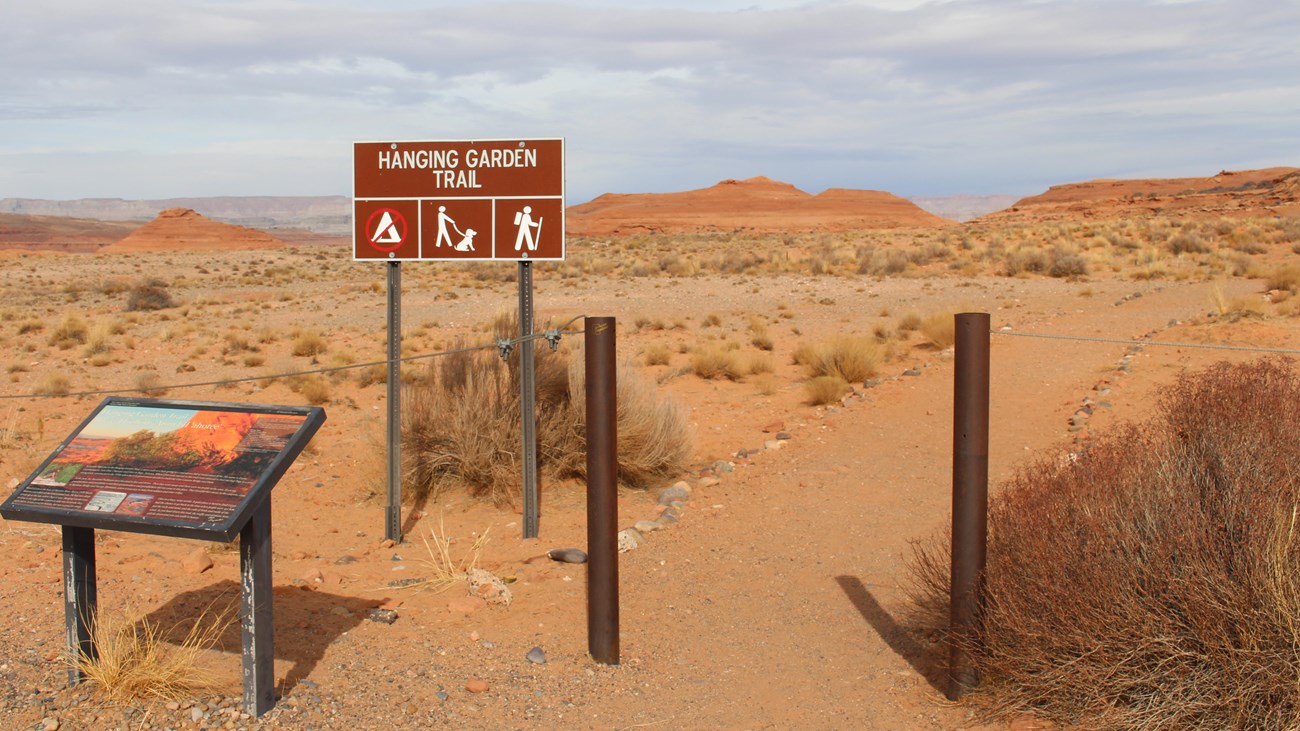
The Hanging Garden Trail reveals a smaller, more delicate side of the desert. A natural seep supports vegetation sheltered by sandstone, creating a striking contrast with the dry landscape nearby. The trailhead is close to Glen Canyon Bridge, so the outing fits easily into a morning of sightseeing around the dam. The NPS trail description gives the round trip as about one mile and rates the route easy to moderate.
Allow forty-five minutes to an hour, depending on your pace. Carry water even though the trail is short and avoid stepping on vegetation or fragile soil. The garden is a living habitat rather than an attraction to climb into or touch. This is a rewarding choice if you are interested in desert ecology and want something quieter than the major overlooks. Combine it with a longer breakfast in town and a visitor-center stop for an easy half-day plan.
7. Paddle Lake Powell with a kayak or paddleboard
A paddle trip brings you close to the texture and colors of the canyon walls. It can be a wonderful way to experience the lake at a slower pace than a motorboat, especially when the water is calm. Beginners should consider a guide or a rental company that provides an appropriate route and safety briefing. Do not assume that an online map or an old trip report reflects current launch conditions.
Choose a route that fits the group’s swimming ability, paddling experience and stamina. Ask about wind forecasts, boat traffic, water temperature and the distance to the return point. Bring a life jacket, drinking water, sun protection and a waterproof pouch for essentials. If a route involves entering a slot canyon, check land-access rules separately; a water approach does not automatically authorize walking onto tribal land. Strong wind, storms or uncertain access are good reasons to choose a land-based alternative.
8. Spend time at Lone Rock Beach
Across the Utah border, Lone Rock Beach offers a close-up view of a large isolated sandstone formation rising near the reservoir. The attraction is the landscape itself: open sky, expansive desert and the possibility of a relaxed lakeside break. It is a pleasant contrast to the more tightly scheduled guided tours around Page. However, access to the beach depends on water levels and the condition of sandy roads.
The official directions note that much of the access is on sand, with limited hard-surfaced road. A standard rental car should not be taken into deep sand. Park only where appropriate and turn around before the surface becomes unsuitable. If swimming is permitted at your chosen spot, watch for steep underwater drop-offs, boats and changing weather. There is no guarantee of a sandy swimming beach at a particular water level. Bring shade and pack out all litter.
9. Take a Colorado River float trip
A guided float below Glen Canyon Dam is a memorable way to appreciate the scale of the canyon without standing at its rim. On suitable trips, the towering walls frame the river, and the landscape changes as the boat follows its bends. This is not the same experience as a whitewater expedition through the Grand Canyon. Look specifically for a calm-water sightseeing trip if your group wants scenery rather than rapids.
Compare tour descriptions carefully. Ask about the meeting point, total duration including transport, age requirements, boarding arrangements and accessibility. Cold river water and exposure to sun are important considerations even on a gentle trip. Wear the equipment supplied by the operator, and take a spare layer in cooler seasons. It is worth reserving a substantial part of the day for this activity rather than adding an ambitious hike immediately afterward.
10. Visit the historic Navajo Bridge
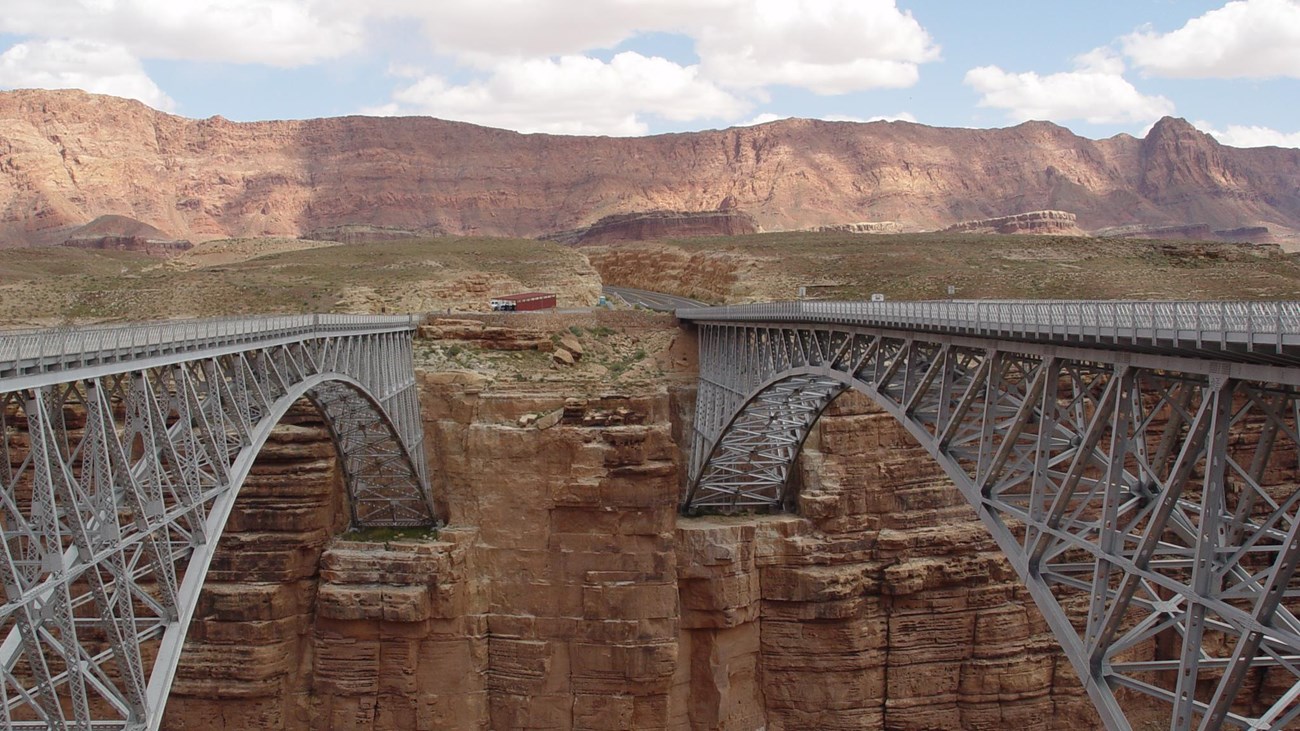
Navajo Bridge is a worthwhile excursion southwest of Page along US 89A. The historic pedestrian bridge spans Marble Canyon beside its newer highway counterpart. Looking down to the river gives you a different impression of the Colorado Plateau than Horseshoe Bend: the canyon is narrower, and the bridge provides an unusual perspective on both geology and transportation history. The adjacent interpretive center adds context about the area.
Bring binoculars if you enjoy wildlife watching; California condors are sometimes seen around the bridge, although sightings are never guaranteed. Allow time to walk across at your own pace and read the information displays. The NPS visitor-center page lists seasonal facilities and hours. Combine this trip with Lees Ferry rather than driving to the same area twice. Stay on designated public paths and do not disturb birds or venture onto closed areas.
11. Explore Lees Ferry and Lonely Dell Ranch
Lees Ferry offers something unusual in this region: road access to the Colorado River below the dam. Its history includes ferry crossings, settlement, river travel and early attempts to make a living in an isolated desert setting. Nearby Lonely Dell Ranch preserves parts of that story through historic buildings and an orchard. The landscape feels different from the busy viewpoints near Page, and it deserves enough time to look around thoughtfully.
From Navajo Bridge, follow the signed Lees Ferry road. The NPS Lees Ferry guide describes a self-guided ranch walk of approximately one mile round trip. River currents are powerful and water is cold, so do not treat the launch ramp as a swimming beach. Stay clear of working boat-launch areas. Bring your own lunch and drinking water; services are limited. A comfortable half day allows both Navajo Bridge and the ranch without needing a strenuous hike.
12. Hike to the Toadstool Hoodoos
The Toadstools in southern Utah are a fascinating side trip west of Page. The trail reaches sandstone pillars topped with broad caprocks, giving the formations their mushroom-like appearance. Rather than a narrow slot canyon, this is an open landscape of colorful layers, rock shapes and desert washes. It suits travelers who like geology and photography and want a short excursion outside the main Page attractions.
The Grand Canyon Trust trail guide estimates a round trip of about 1.6 miles; allow extra time for the drive and photos. Bring water and check the weather, especially during summer thunderstorms. Walk on existing paths and avoid climbing, touching or damaging the fragile columns. Check BLM conditions before exploring farther into the monument. This outing can combine with an overlook on your return to Page.
13. Book a guided adventure to White Pocket
White Pocket is a remote area of Vermilion Cliffs National Monument known for sculpted sandstone, intricate textures and unusual white-and-orange patterns. It appeals to travelers who want dramatic rock scenery without making Antelope Canyon the centerpiece of their vacation. The difficulty is getting there, not simply choosing a viewpoint. It is far from regular roadside sightseeing, with deep sand and remote roads.
The BLM White Pocket guide requires high-clearance four-wheel-drive vehicles for the access roads and warns that inexperienced drivers regularly get stranded. A reputable local guided tour is the sensible choice if you lack the equipment or experience. Treat this as a full-day outing, carry plenty of supplies, and discuss mobility needs with the guide beforehand. Avoid collecting rocks, disturbing formations or leaving marks. If conditions are unsuitable, choose the Toadstools or paved scenic stops instead.
14. Learn about Page and local Indigenous history
A visit to Page is more meaningful when you spend some time learning about the people and history of the region. Page developed during construction of Glen Canyon Dam, but the surrounding lands have much older Indigenous histories and remain home to living communities. The city’s visitor information resources, conservancy exhibits and locally owned businesses can help travelers appreciate the place beyond the most photographed locations.
Set aside a relaxed morning or an afternoon break to explore town, ask about locally led cultural experiences and browse educational exhibits. The official Page visitor website is a useful starting point for current programs. When visiting Navajo Nation land, follow the community’s access rules, use authorized guides when required, and ask permission before photographing people or entering sensitive places. Support local businesses directly rather than treating cultural experiences as a backdrop for photographs.
15. Enjoy desert sunset and stargazing
An unhurried sunset is one of the easiest ways to finish a day in Page. Choose a legal, established viewpoint with a safe parking area, and watch how the changing light emphasizes the sandstone layers. On a clear night, the darker areas away from town can also reveal a remarkable sky. You do not need specialized equipment to enjoy it, although binoculars and a tripod can be helpful.
Choose a location with legal after-dark access and inspect it in daylight. Never walk near a canyon rim in darkness. Take a flashlight, warm clothing, offline directions and a charged phone. Check cloud cover and the moon phase if photography matters to you. A moonlit landscape can be beautiful, while a darker sky is better for seeing faint stars. If your schedule is full, simply make sunset your final stop instead of trying to squeeze in another long drive.
How to spend two days in Page without Antelope Canyon
Day one: the essentials. Start early at Horseshoe Bend before the hottest part of the day. Return to town for breakfast, then visit the Carl Hayden Visitor Center. If you are comfortable walking on uneven ground, add the Dam Overlook or Hanging Garden Trail. Save the late afternoon for Wahweap and a relaxed dinner in Page. This itinerary keeps the driving relatively short and leaves room for parking delays.
Day two: choose water or history. Reserve a morning Lake Powell cruise or a Colorado River float if operators are running and conditions are favorable. Alternatively, drive to Navajo Bridge and Lees Ferry for a scenic, history-focused half-day excursion. In the afternoon, rest, explore town or catch another sunset. Avoid stacking two distant excursions on the same day just to complete a checklist.
With three days, add the Toadstools or a guided White Pocket trip. If your broader journey includes Utah, read our Las Vegas to Zion road trip guide and Moab guide for non-hikers. They are useful for planning a longer Southwest loop.
Practical tips before visiting Page
Spring and fall are often more comfortable for outdoor sightseeing than midsummer. In hot weather, schedule exposed walks early and keep indoor or water-based options flexible. Winter can bring freezing temperatures, snow and shorter daylight hours. Check forecasts and attraction notices just before leaving.
Book activities separately from lodging, and compare cancellation terms before paying. Arizona and Utah can show different local times depending on the season and whether you are on Navajo Nation land. Confirm the time zone used by every operator, particularly for morning reservations. Download offline maps, fuel up before remote drives and carry more water than you expect to need.
Fees are not uniform. City parking, federal recreation areas, state parks and tribal attractions have separate rules. A national park pass does not cover everything. Check each attraction’s website instead of relying on a single budget estimate. Choose well-marked paved routes if using a rental vehicle.
Frequently asked questions
Is Page worth visiting without Antelope Canyon? Yes. The combination of river overlooks, reservoir scenery, visitor centers and nearby historic sites is enough to justify a two-day stay.
Can you visit Horseshoe Bend without a tour? Yes, the main overlook is self-guided. You must pay the city’s applicable parking fee and walk the trail.
What can I do in Page with limited mobility? Consider the visitor center, drive-up lake views and suitable guided boat tours. Check accessibility with providers; even short trails may have slopes or rough surfaces.
Can I visit Lake Powell in one afternoon? Yes, if you focus on one marina area or an established scenic overlook. Boating deserves more time and advance planning.
What if I have only one day? Prioritize Horseshoe Bend, Glen Canyon Dam and Wahweap. Choose one optional short walk instead of trying to fit in a remote excursion.
Final thoughts
Page is worth exploring at your own pace. Pick the activities that fit your abilities, the weather and your budget rather than following someone else’s checklist. A morning at Horseshoe Bend, an afternoon by Lake Powell and a quiet desert sunset can be a complete adventure in their own right.
Sources and image credits
- Visit Page Arizona — official visitor information
- National Park Service — Glen Canyon trip planning
- Bureau of Land Management — White Pocket
- Featured photograph: Paxson Woelber / Wikimedia Commons, CC BY-SA 3.0, resized by Wikimedia/WordPress.

Research checked November 18, 2026. Check official sources for current conditions. This guide is based on research, not a claim of firsthand travel.
Leave a Reply