
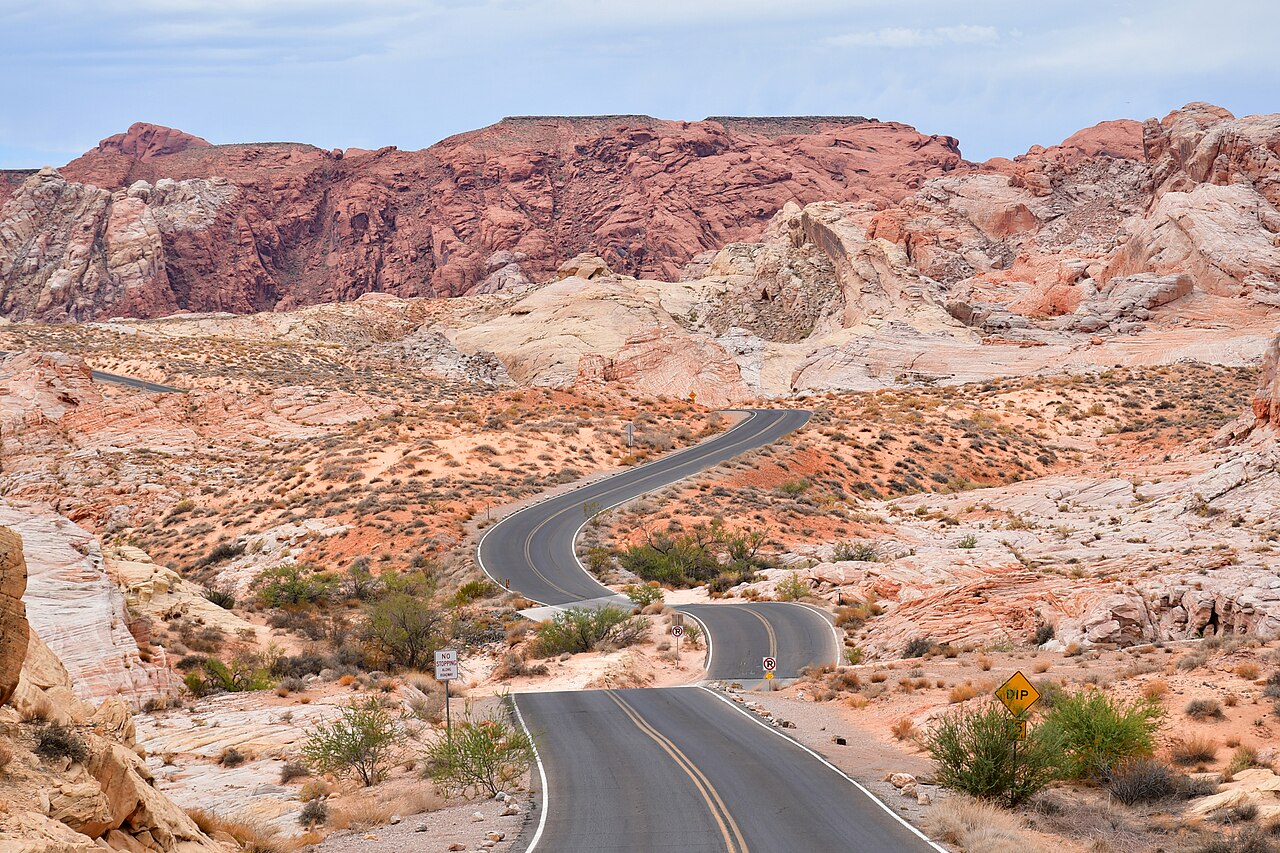
The drive from Las Vegas to Zion National Park is an adventure in its own right. You can leave behind the Nevada desert city, explore red sandstone, travel through an impressive river gorge and arrive among the towering cliffs of southern Utah. The direct drive is manageable in a day, but the best route depends on whether you want a quick transfer or a full scenic road trip.
This guide covers twelve worthwhile stops, arranged broadly from southwest to northeast. Several are optional detours, not attractions directly beside the interstate. The time allowances below are for sightseeing, not real-time driving estimates. Check current road conditions, opening schedules and park rules before your trip.
Route at a glance
- Direct route: I-15 north, then UT 9 east to Springdale.
- Distance: roughly 160–170 miles, depending on your starting point.
- Allow approximately 2.5–3 hours for nonstop driving, plus traffic and breaks.
- Utah is one hour ahead of Las Vegas.
- Best major detour: Valley of Fire, when open. Best meal break: St. George.
Table of contents
- 1. Lake Mead National Recreation Area
- 2. Valley of Fire State Park
- 3. Lost City Museum, Overton
- 4. Mesquite, Nevada
- 5. Virgin River Gorge
- 6. Historic downtown St. George
- 7. Pioneer Park and Red Hills Desert Garden
- 8. Snow Canyon State Park
- 9. Quail Creek State Park
- 10. Sand Hollow State Park
- 11. Hurricane and La Verkin
- 12. Springdale, Utah
- Suggested itineraries
- Entering Zion
- Frequently asked questions
1. Lake Mead National Recreation Area
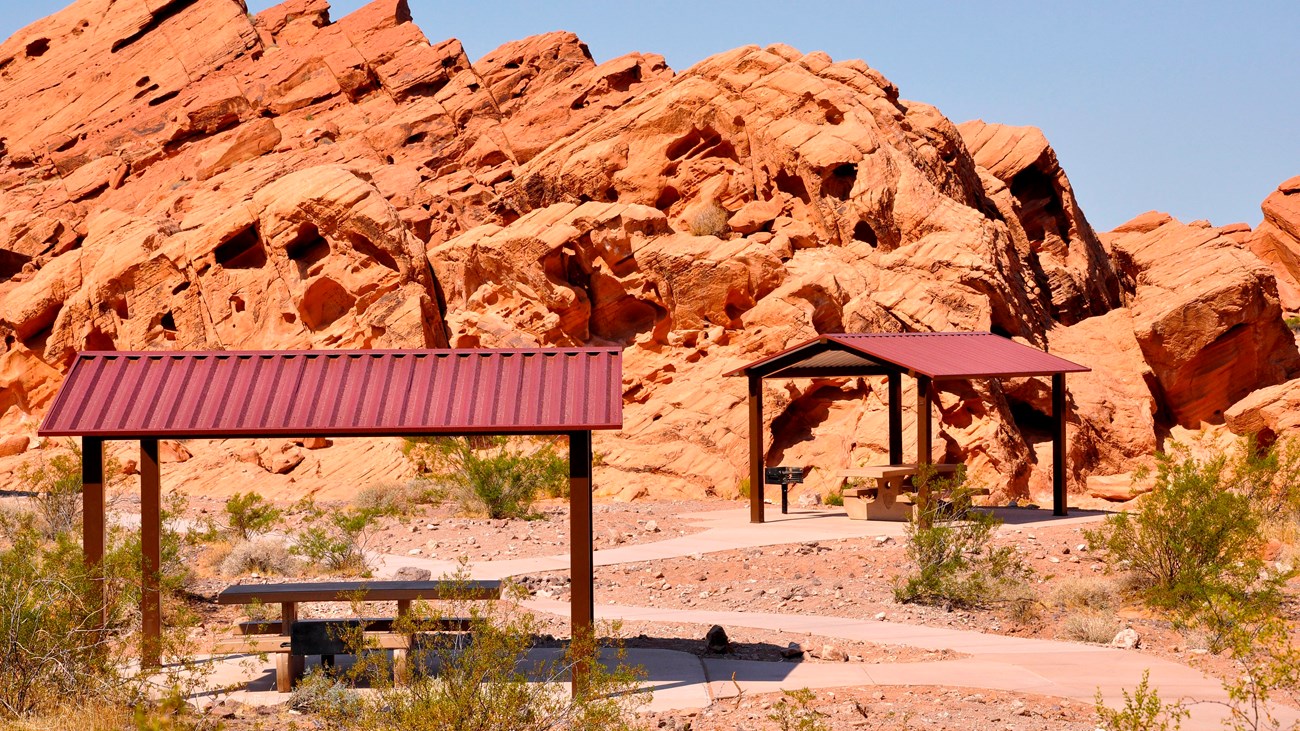
Suggested stop: 1–2 hours, plus extra driving.
Northshore Road offers a scenic alternative to the interstate, with desert mountains, distant reservoir views and colorful sandstone. Redstone Picnic Area is a particularly convenient place to see the geology without a demanding walk. The picnic area has restrooms and picnic tables, but no drinking water. Bring everything you need for a comfortable stop, especially in warm weather.
This is an optional detour rather than part of the direct route to Zion. It works especially well if you plan to approach Valley of Fire from the east. Check current road access, recreation-area admission and fuel availability. Do not assume every road connects to a public beach or marina. Allow extra time for slower roads and photo opportunities; if your Zion arrival time is fixed, skip this detour and drive directly toward Mesquite.
Plan your visit: official visitor information.
2. Valley of Fire State Park
Suggested stop: 2–4 hours.
Valley of Fire is the most dramatic scenic detour on this drive. Bright red Aztec sandstone formations contrast with pale desert slopes and blue skies. Explore the paved roads and designated viewpoints, and consider Elephant Rock, Atlatl Rock or the visitor center when access and conditions permit. The rock art viewing area at Atlatl Rock involves stairs, so check the route before attempting it.
Important 2026 update: Nevada State Parks announced a Monday–Thursday closure of the west entrance beginning August 3, with access via the east entrance on those days. Construction is expected through the end of 2026. The whole park is scheduled to close December 1–14, 2026. Several exposed trails also close during summer heat. Verify the latest notices before departing, and do not attempt closed trails or enter during the maintenance closure. This park deserves its own time rather than being treated as a quick roadside photo stop.
Plan your visit: official visitor information.
3. Lost City Museum, Overton
Suggested stop: 45–75 minutes.
The Lost City Museum provides historical context for the desert landscapes you have just seen. Its exhibits interpret archaeological discoveries and the lives of Indigenous communities in the Moapa Valley. A museum visit is a useful indoor alternative to an exposed walk when the weather is too hot. It can also be a valuable educational stop for children who have been looking at rocks and canyons all morning.
Check admission, opening days and holiday hours before making the detour. Give yourself enough time to read the exhibits rather than rushing through them. Treat cultural material with respect, never remove artifacts from public lands, and follow any museum photography rules. From Overton, return toward I-15 on NV 169. If you have already spent much of the morning at Valley of Fire, this is the place to decide whether you still have enough time for another stop.
Plan your visit: official visitor information.
4. Mesquite, Nevada
Suggested stop: 20–60 minutes.
Mesquite is the practical stop before the interstate enters northwestern Arizona. Fuel up, refill your drinking water, eat lunch or stretch your legs at a designated public park. It is an especially useful place to reset your schedule if the morning’s sightseeing took longer than expected. Not every worthwhile road trip stop has to involve a major attraction.
If you have extra time, check whether the Virgin Valley Heritage Museum is open. Otherwise, a simple meal and restroom break can make the next stretch more comfortable. Check the remaining daylight, temperature and road alerts before leaving. If you have an afternoon reservation in Zion, Mesquite is a sensible place to abandon additional detours rather than rushing the rest of the journey.
Plan your visit: official visitor information.
5. Virgin River Gorge
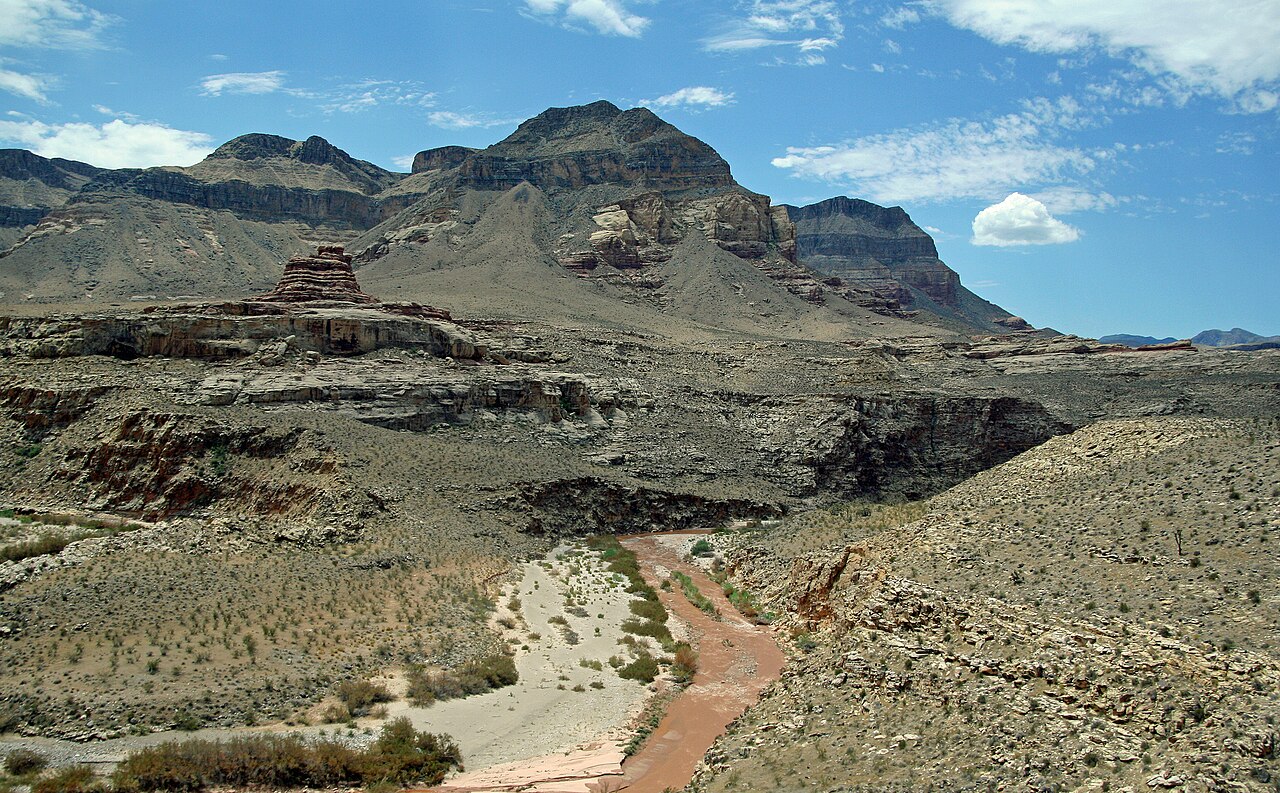

Suggested stop: Enjoy while driving.
I-15 briefly crosses Arizona between Nevada and Utah, winding through steep canyon walls in the Virgin River Gorge. This stretch is one of the most memorable parts of the direct route because the scenery comes to you: there is no need to plan a hike or separate attraction. Passengers can enjoy the scale of the rock formations while the driver concentrates on curves and traffic.
Do not stop on highway shoulders to photograph the gorge. Use only legal designated stopping areas and never distract the driver. Road construction, incidents and weather can cause delays, so check Arizona 511 before entering. If you need a restroom, fuel or a picnic break, use Mesquite or St. George instead of assuming services are available inside the gorge. In winter, pay attention to road notices even if Las Vegas itself is warm.
Plan your visit: official visitor information.
6. Historic downtown St. George
Suggested stop: 45–90 minutes.
St. George is the first major Utah city along this route and makes a convenient lunch or overnight stop. Its historic downtown has public spaces, local shops and streets suitable for a relaxed break from the car. You can choose a café, stroll around a square or visit an attraction without making the day feel like a race.
Families interested in natural history could visit the St. George Dinosaur Discovery Site at Johnson Farm instead. Check its opening schedule and allow enough time for the fossil track exhibits. Remember that Utah is one hour ahead of Nevada, so a lunch that seems early on your Las Vegas clock may already be well into the afternoon locally. If staying overnight, choose accommodation based on your next morning’s plans rather than distance alone.
Plan your visit: official visitor information.
7. Pioneer Park and Red Hills Desert Garden
Suggested stop: 30–90 minutes.
For a taste of southern Utah red rock without driving out of St. George, head to the Pioneer Park area. The surrounding formations and elevated views make a rewarding change from the highway. Nearby Red Hills Desert Garden offers a different experience, introducing plants suited to the dry climate and giving visitors a chance to explore at a gentler pace.
Choose routes carefully. Rock surfaces in Pioneer Park can be steep and uneven, and a short distance does not guarantee a suitable route for every visitor. Stay away from cliff edges and avoid scrambling on wet sandstone. If traveling with limited mobility or young children, the garden may be a more manageable choice. Combining this area with downtown lunch is easier than trying to fit in another remote state park.
Plan your visit: official visitor information.
8. Snow Canyon State Park
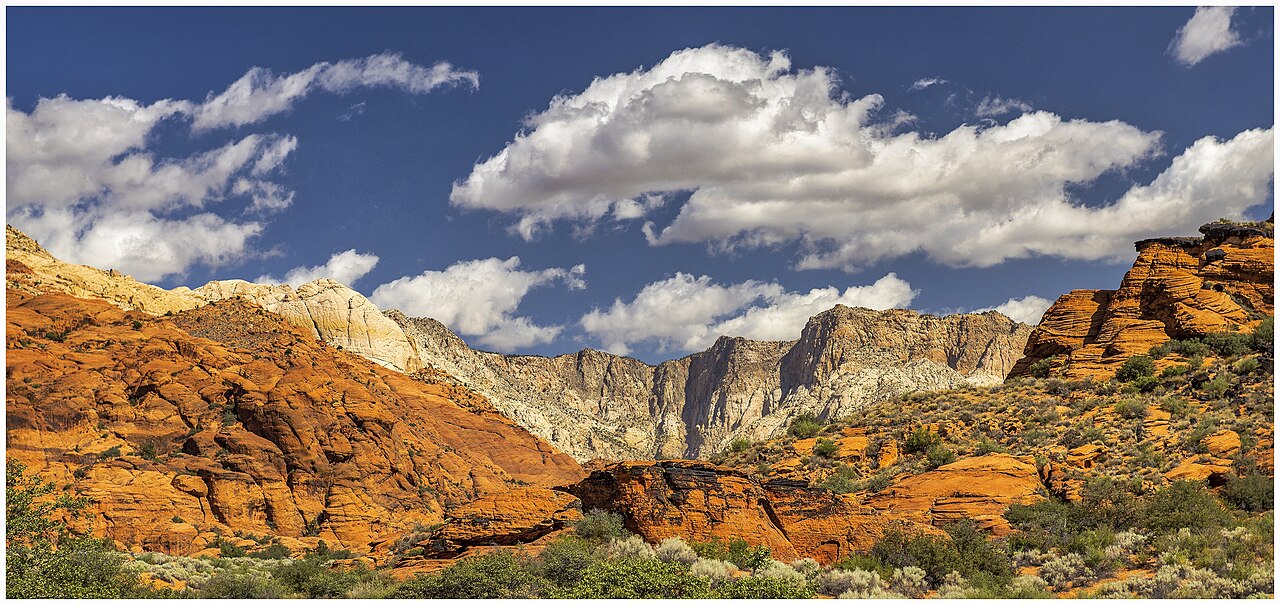

Suggested stop: 2–3 hours.
Snow Canyon combines warm-colored sandstone, lava rock and sweeping desert views. The contrast between dark volcanic formations and pale or red cliffs makes it a particularly appealing photography destination. Drive the paved park road and choose designated stops that match your group’s energy level. Short walks can add variety, but the scenery alone can justify a visit.
The park is northwest of St. George, meaning it adds driving as well as sightseeing time. Check current fees, trail notices and access rules through Utah State Parks. Do not try to combine a long Valley of Fire visit with a full Snow Canyon visit on a tight schedule. If you want both parks, stay overnight in St. George and use the following morning for Snow Canyon. Carry water and check summer heat or winter road conditions before visiting.
Plan your visit: official visitor information.
9. Quail Creek State Park
Suggested stop: 30–90 minutes.
Quail Creek provides a change from dry sandstone landscapes to reservoir scenery. Near the St. George–Hurricane corridor, it is a pleasant choice for a picnic or a short break overlooking the water. The quieter rhythm of a waterfront stop may appeal to families who have already spent several hours in the desert.
Check the state park’s day-use fees, weather and current access before deciding to visit. Swimming or boating requires appropriate precautions and more time than a simple scenic stop. Wind can make the lake uncomfortable, and busy days can affect parking. Choose this park or Sand Hollow, rather than both, if your goal is reaching Springdale before evening. Bring your own water, and do not rely on every facility being open throughout the year.
Plan your visit: official visitor information.
10. Sand Hollow State Park

Suggested stop: 1–2 hours.
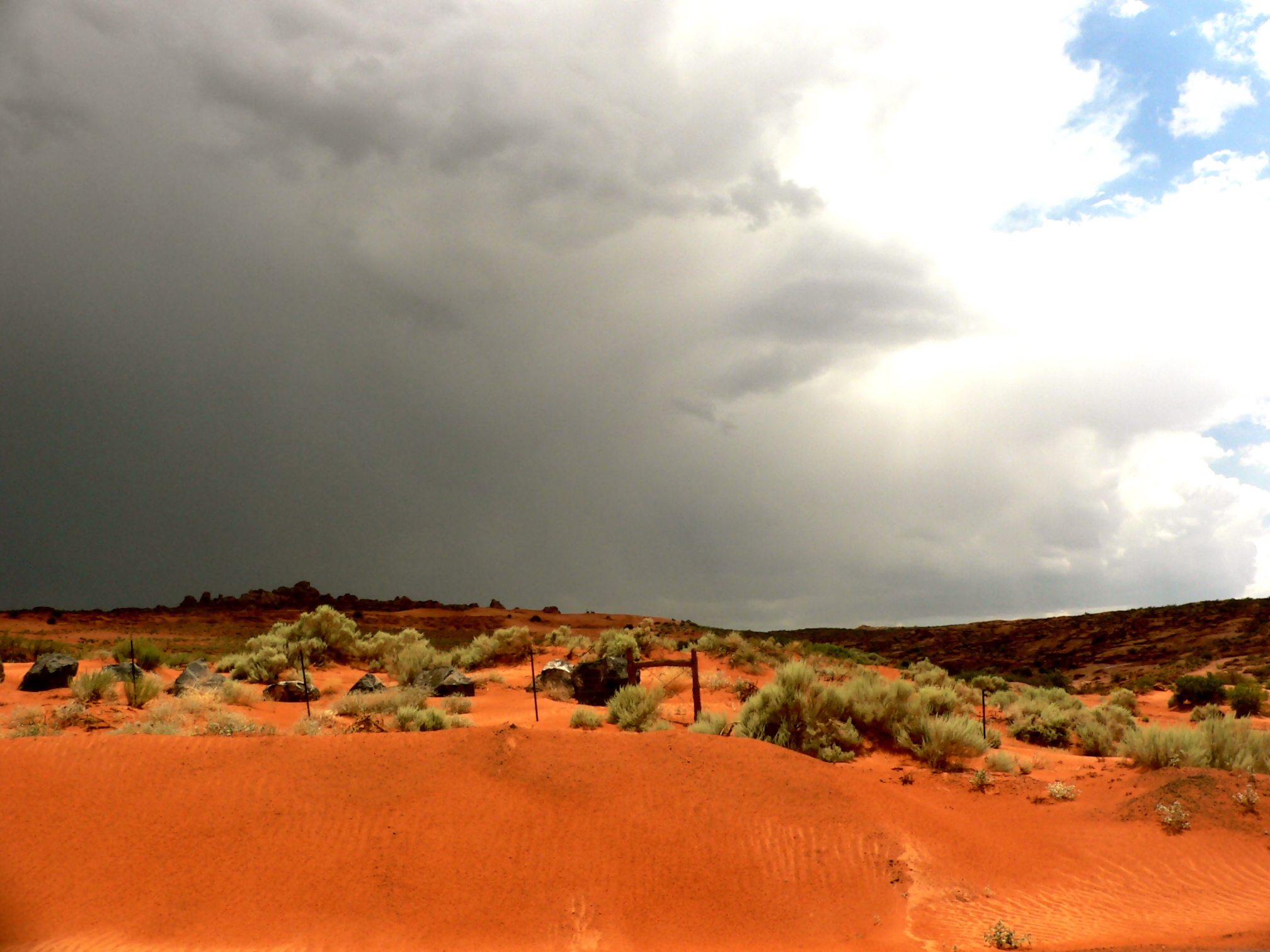
Sand Hollow is known for its red sand and blue reservoir, a striking color combination that feels very different from the steep cliffs in Zion. Day-use areas can provide attractive views without an ambitious outing. It is a good optional detour for photographers or travelers who would rather see a variety of landscapes than visit several similar hiking trails.
Check current capacity, day-use fees and access restrictions. This is also a destination for off-highway vehicle recreation, but that does not mean a standard rental car is suitable for sand dunes. Stay on appropriate roads, and follow designated recreation-area boundaries. If swimming is permitted and conditions are suitable, supervise children and follow water safety advice. If you have only a few hours before hotel check-in, leave the longer adventures for a dedicated day.
Plan your visit: official visitor information.
11. Hurricane and La Verkin
Suggested stop: 20–60 minutes.
These gateway communities are the last convenient places to stock up before the drive toward Springdale. Grocery stores and restaurants make them useful for travelers who want breakfast supplies, picnic food or a flexible lodging base. The scenery becomes increasingly dramatic on the final approach toward Zion, and the towns provide a practical pause before that stretch.
If you plan to stay here, account for the next morning’s drive to the park, parking and any shuttle transfers. Springdale is closer to the pedestrian entrance, while Hurricane and La Verkin may offer other lodging options. Check your own hotel location rather than assuming that all properties labeled Zion are within walking distance of the park. Drive respectfully through residential areas, keep to speed limits and give yourself enough daylight for the final leg.
Plan your visit: official visitor information.
12. Springdale, Utah
Suggested stop: 1–2 hours or overnight.
Springdale sits beside Zion’s south entrance and is a destination in its own right. The town offers restaurants, lodging and dramatic views of the surrounding cliffs. If you arrive late in the day, a walk around town and an early dinner may be more rewarding than trying to complete a major hike before dark. Staying here can simplify getting to the park the next morning.
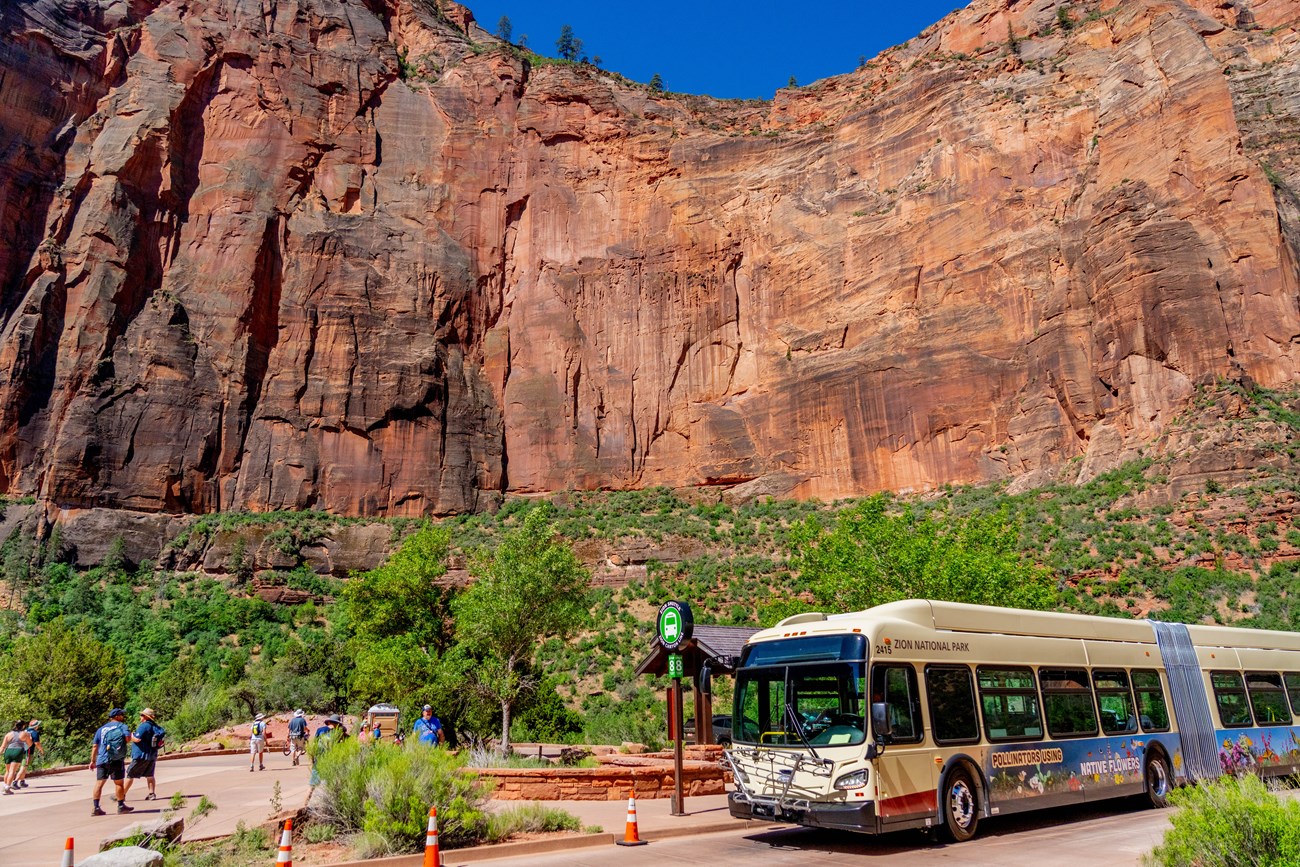
During Zion Canyon shuttle operations, private vehicles generally cannot drive the main canyon scenic road. The shuttle itself is free, but park admission and some parking are separate. Check the schedule before setting out, especially during the shorter fall and winter service periods. Do not wait for the last shuttle if you can avoid it. If you are driving an oversized vehicle or towing a trailer, consult current restrictions before planning a route through the Zion–Mount Carmel area.
Plan your visit: official visitor information.
Suggested road trip itineraries
Half-day transfer: Leave Las Vegas, stop for supplies in Mesquite, enjoy the Virgin River Gorge from the car and continue to Springdale. If time permits, take a lunch break in St. George or enjoy the Red Hills Desert Garden. Avoid a major state park detour if you have a fixed appointment in Zion.
Full scenic day: Leave early for Valley of Fire if open. Visit one or two scenic viewpoints, stop for lunch in Overton or Mesquite, then continue through the gorge and St. George. Choose a short break rather than adding another two-hour park visit. Remember the time difference and entrance construction when estimating arrival.
Two-day route: Explore Valley of Fire and the Moapa Valley on day one, and stay in St. George. Visit Snow Canyon or one of the reservoir parks on day two before continuing to Springdale. This allows more flexibility for photographs, meals and changing weather. In December, substitute a different stop during Valley of Fire’s maintenance closure.
Kolob Canyons is another optional excursion north of the main turn toward Springdale. It is a separate district of Zion, with its own scenic drive and seasonal conditions. It is not a shortcut into the main canyon; substitute it for another park rather than adding it to a packed schedule. See the official Kolob Canyons guide.
Entering Zion: practical planning
Parking near the visitor center can fill early. Consider paid parking in Springdale and the town shuttle when running. Check the current park shuttle schedule, entrance fees, trail conditions and any applicable permits. A national park pass does not cover Nevada or Utah state park entrance fees. If visiting in November or December, verify the current seasonal service schedule rather than assuming summer hours.
Bring drinking water, snacks, sun protection, offline maps and a charger. In winter, carry extra layers and check road alerts. Stop only at designated parking areas and avoid rushing the driver. Your best road trip is the one that leaves enough time and energy to enjoy Zion itself.
Continuing through the Southwest? See our Page, Arizona guide beyond Antelope Canyon and Moab guide for non-hikers.
Frequently asked questions
Can I drive from Las Vegas to Zion in one day? Yes, the direct route is manageable as a transfer. Visiting Zion and returning to Las Vegas on the same day leaves limited sightseeing time.
Is Valley of Fire worth the detour? Yes, when open and conditions are suitable. Allow a few hours for the park plus the additional driving.
Is Hoover Dam on the route? No. It lies southeast of Las Vegas and requires an additional detour.
Do I lose an hour going to Zion? Yes. Utah is one hour ahead of Nevada.
Do I need a shuttle reservation? Zion’s regular canyon shuttle does not require a reservation, but check service dates and park admission requirements.
Final thoughts
Choose one major scenic stop, a comfortable meal break and a few optional viewpoints. You do not have to visit all twelve attractions in a single trip. The road to Zion is full of memorable landscapes, and a flexible schedule lets you enjoy them without feeling rushed.
Sources and photo credits
- Nevada State Parks: west entrance construction notice
- Nevada State Parks: December 2026 maintenance notice
- NPS: Zion shuttle system
- Featured photograph: Gzzz / Wikimedia Commons, CC BY 4.0, resized.

Research reviewed November 18, 2026. This is a researched planning guide, not a claim of firsthand travel.
Leave a Reply